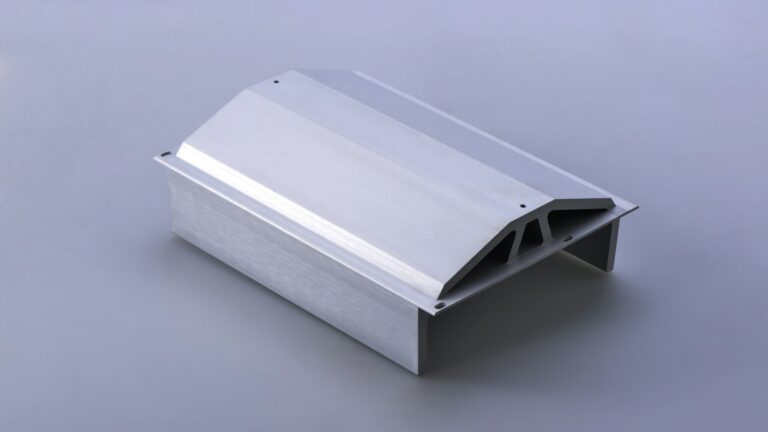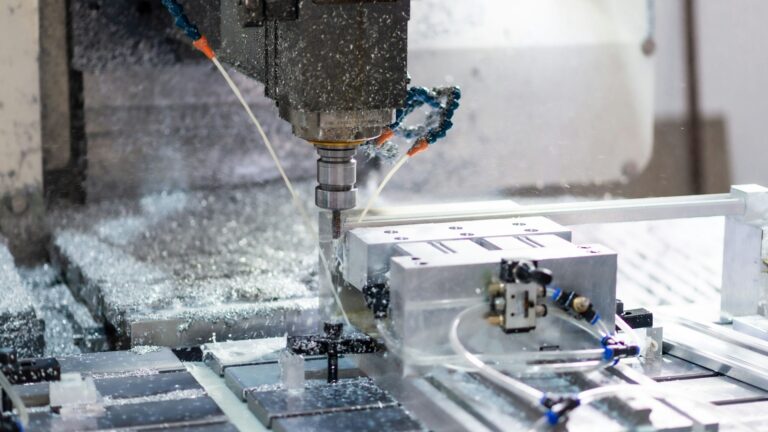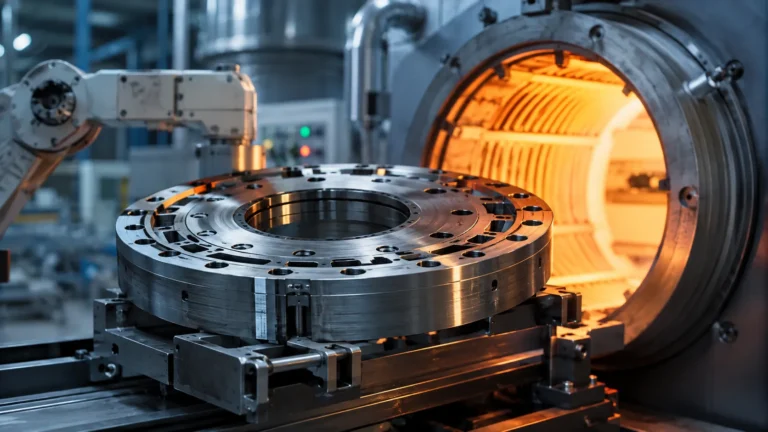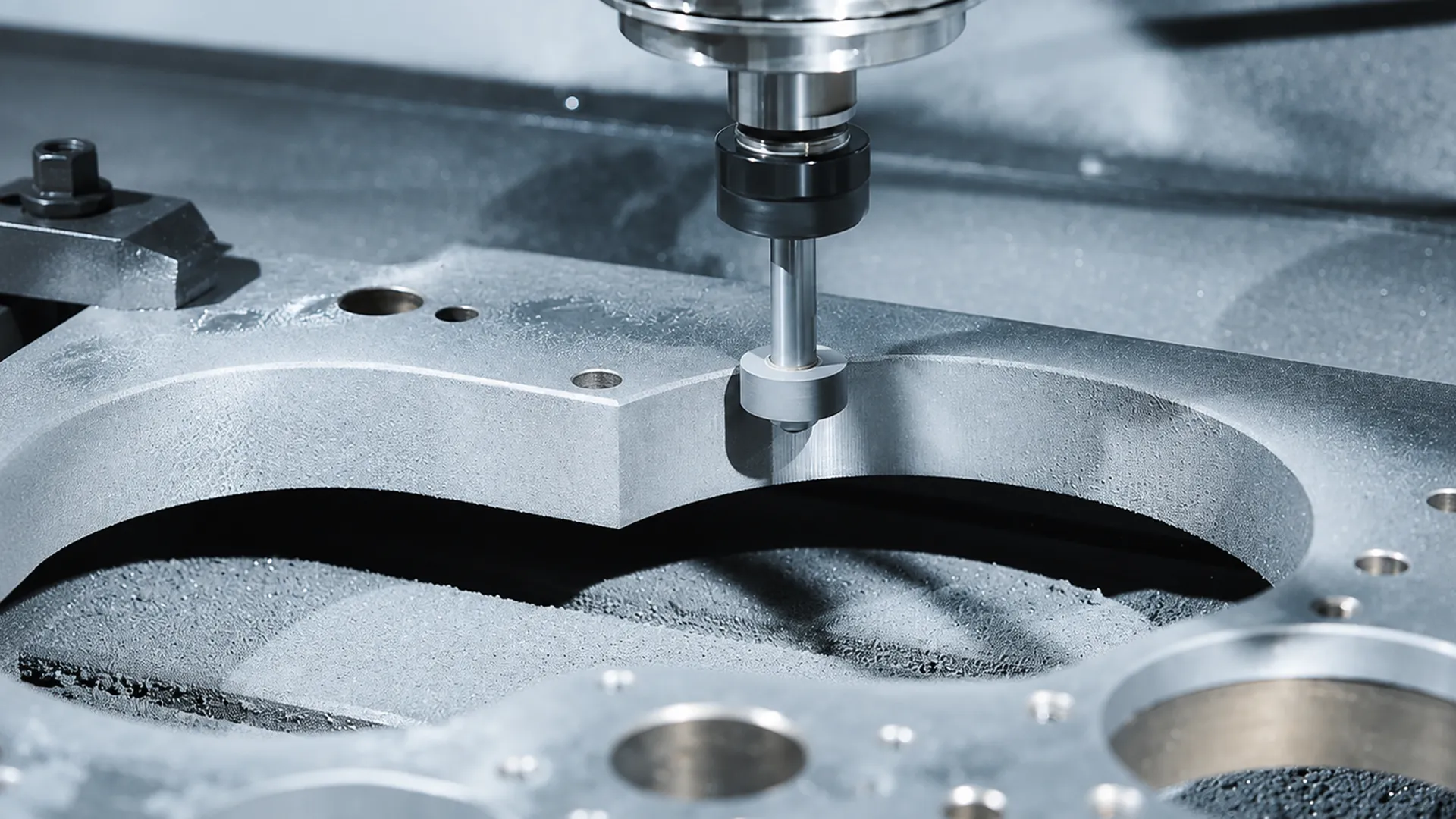
Surface finish quality is one of the most visible indicators of aluminum extrusion performance. Whether the final product is intended for architectural applications, industrial systems, transportation projects, or consumer products, appearance and consistency often play a critical role in customer satisfaction. While finishing processes such as anodizing and powder coating receive considerable attention, surface quality actually begins much earlier in the manufacturing process with die design.
The extrusion die determines how aluminum flows during production. Any imbalance within the die can create defects that become visible on the finished profile. These defects may include lines, streaks, surface tearing, dimensional irregularities, or inconsistent finishes that affect the final appearance of the product.
Balanced metal flow is essential for achieving high quality surfaces. When aluminum exits different sections of the die at varying speeds, the profile can experience distortion or uneven surface characteristics. Precision engineering ensures that metal flow remains controlled and uniform throughout the extrusion process.
Bearing design is another critical factor. Bearings regulate the speed of aluminum as it exits the die. Properly engineered bearings help create consistent flow conditions and minimize surface imperfections. Even small variations in bearing geometry can influence profile appearance and dimensional stability.
Material selection also contributes to surface finish performance. Premium die materials maintain their geometry for longer periods and resist wear under demanding operating conditions. Consistent die geometry helps preserve product quality throughout extended production runs.
Thermal management plays an important role as well. Excessive heat can alter metal flow characteristics and contribute to surface defects. Advanced die engineering considers thermal behavior during the design phase, helping maintain stable operating conditions during production.
For architectural applications in Dubai and across the UAE, surface finish quality is particularly important. Aluminum profiles used in façades, curtain walls, windows, and decorative structures are often highly visible and must meet strict aesthetic requirements. Poor surface quality can lead to costly rework, project delays, and customer dissatisfaction.
Quality control measures should support die design efforts. Regular inspection of dies, monitoring of process parameters, and verification of profile dimensions all help ensure consistent results. Early detection of wear or performance issues prevents minor problems from developing into significant quality concerns.
Surface finish quality is often viewed as a finishing issue, but the reality is that many defects originate during extrusion. By focusing on precision die design, balanced flow, proper bearing strategies, and premium manufacturing practices, extrusion companies can improve both product appearance and operational efficiency.
As demand for premium aluminum products continues to increase throughout the UAE, manufacturers that prioritize die engineering will be better positioned to deliver consistent quality and maintain a competitive advantage in the market.