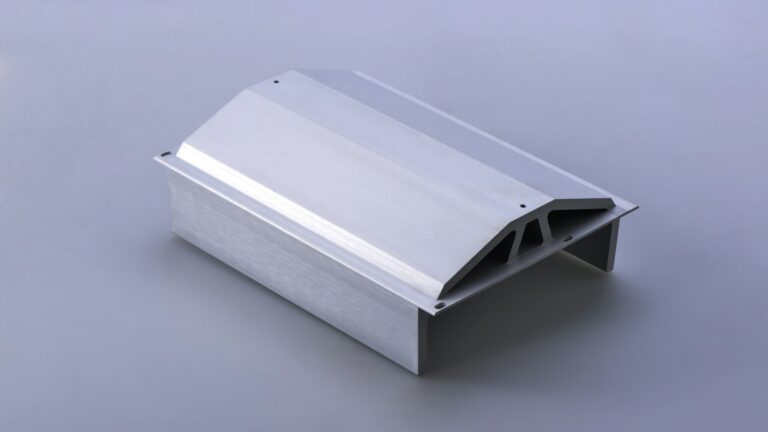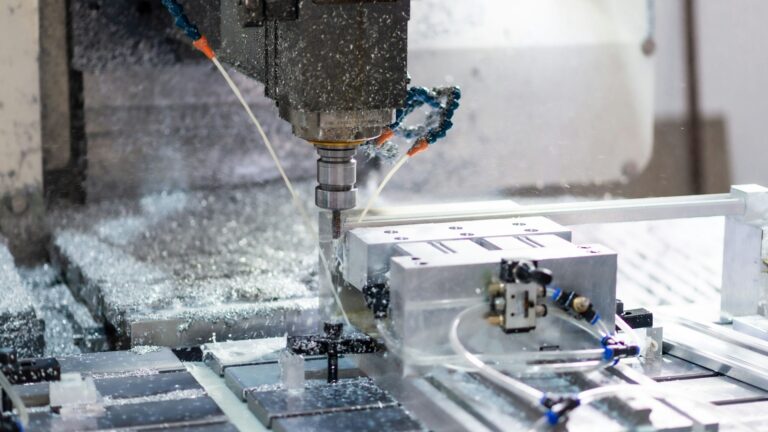
In the aluminum extrusion industry, the quality of the die has a direct impact on productivity, profile quality, operational efficiency, and long term manufacturing costs. While many factors contribute to die performance, the choice of tool steel remains one of the most important. Across the UAE and wider GCC region, H13 tool steel has become the preferred material for premium extrusion dies because of its ability to withstand the demanding conditions of aluminum extrusion while maintaining dimensional accuracy and durability.
Extrusion dies operate in an environment characterized by high temperatures, extreme pressure, and constant friction. These conditions place significant stress on the die surface and internal structure. If the steel used in manufacturing is not capable of handling these conditions, the die will wear more quickly, resulting in dimensional inconsistencies, surface defects, and frequent replacement requirements.
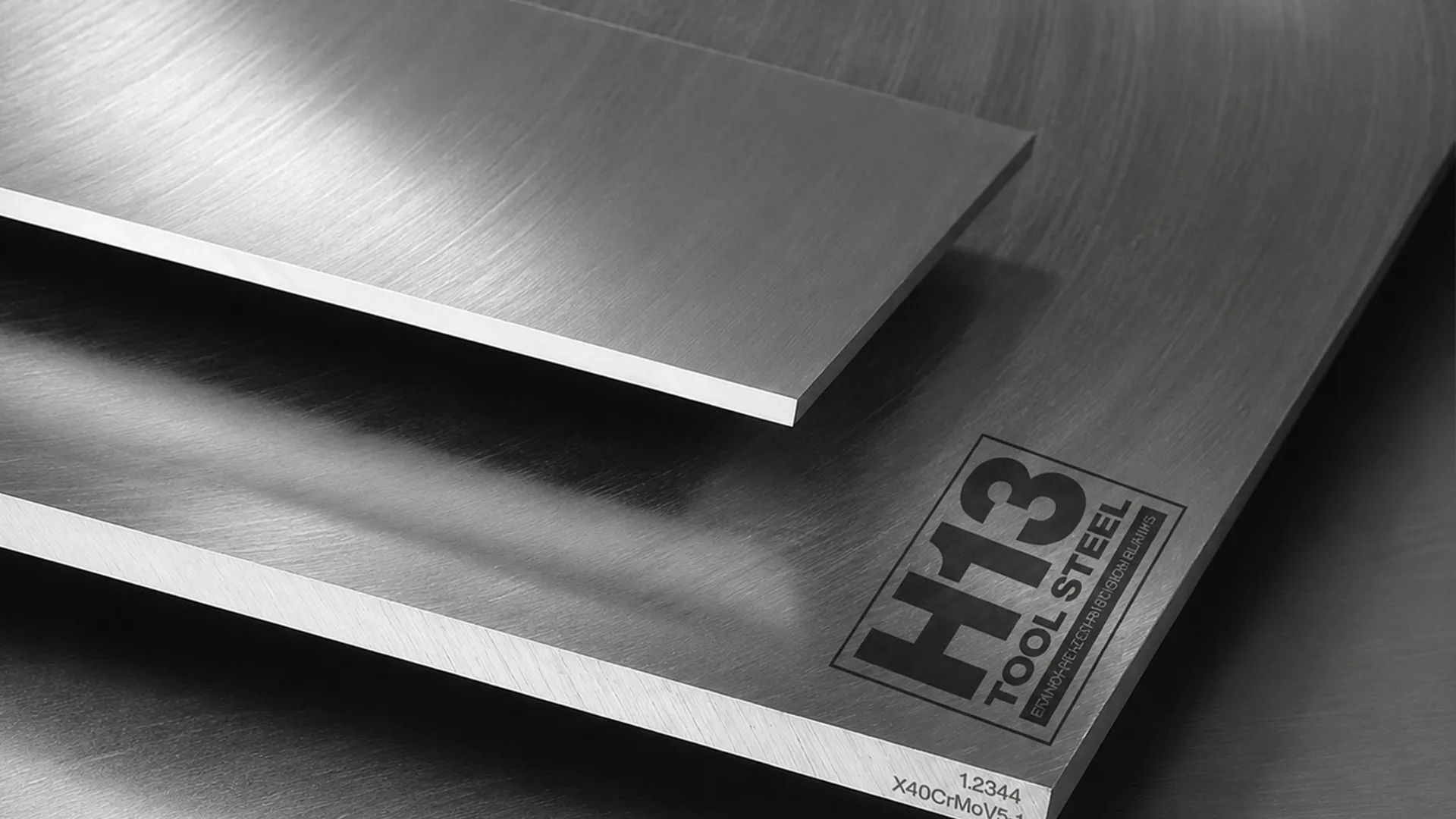
H13 tool steel is specifically engineered for hot work applications. Its chemical composition allows it to maintain hardness and structural integrity even when exposed to elevated temperatures for extended periods. This characteristic makes it particularly suitable for aluminum extrusion operations where thermal stability is critical to consistent production.
One of the primary advantages of H13 tool steel is wear resistance. During extrusion, aluminum flows through the die at high pressure, creating continuous friction on bearing surfaces. Over time, this friction causes wear that can affect profile dimensions and surface quality. H13 steel resists this wear more effectively than many alternative materials, helping maintain profile accuracy throughout the die’s operational life.
Another key benefit is improved die life. Longer die life reduces the frequency of die replacements, minimizing downtime and improving production planning. For extrusion companies operating in Dubai and across the UAE, fewer interruptions mean higher press availability and better utilization of manufacturing resources.
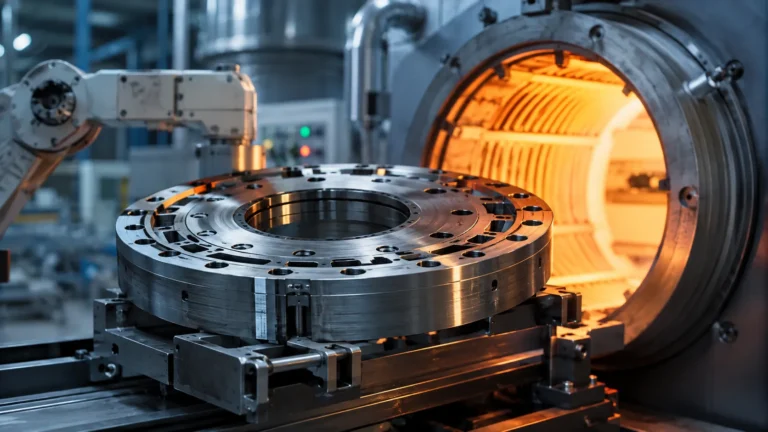
Heat treatment processes further enhance the performance of H13 steel. Vacuum hardening and nitriding can improve surface hardness while maintaining core toughness. This combination allows the die to resist cracking, thermal fatigue, and premature wear while continuing to perform reliably under demanding production conditions.
The use of premium materials such as H13 steel also contributes to improved product quality. Consistent die geometry helps maintain uniform metal flow, reducing the risk of dimensional variations, twisting, or surface defects. This is particularly important for industries requiring tight tolerances, including construction, infrastructure, transportation, and industrial applications.
From a financial perspective, H13 tool steel supports a lower total cost of ownership. Although premium dies may have a higher initial purchase price, their extended lifespan and reduced maintenance requirements often result in significantly lower production costs over time. When measured by cost per kilogram produced, premium dies frequently outperform lower priced alternatives.
For manufacturers seeking reliable extrusion performance, material selection should never be viewed as a minor detail. H13 tool steel provides the durability, thermal stability, and wear resistance required to support long production runs and consistent quality. As demand for precision aluminum profiles continues to grow throughout the UAE, H13 remains the industry benchmark for premium extrusion die manufacturing.