Die life is one of the most important performance indicators in aluminum extrusion operations. In the UAE’s competitive manufacturing environment, maximizing die life directly affects productivity, cost efficiency, and operational stability. Yet many extrusion buyers still focus primarily on the initial purchase price rather than evaluating how long a die will perform on the press.
Die life plays a critical role in extrusion performance and efficiency, as highlighted by industry standards and technical resources from the Aluminum Extruders Council.
Die life refers to the total amount of aluminum that can be extruded through a die before it requires replacement or significant refurbishment. A longer die life reduces the number of die changes required during production, which minimizes downtime and ensures smoother operational planning.
When dies wear out quickly, extrusion plants must stop production more frequently to replace tooling. Each die change interrupts the manufacturing process, increases labor requirements, and creates scheduling challenges for production managers. Over time, these interruptions can significantly reduce total plant output.
In practical terms, a die that lasts 50 to 60 tons instead of 15 to 20 tons can reduce die replacement frequency by up to 60 percent, directly lowering downtime and operational costs.
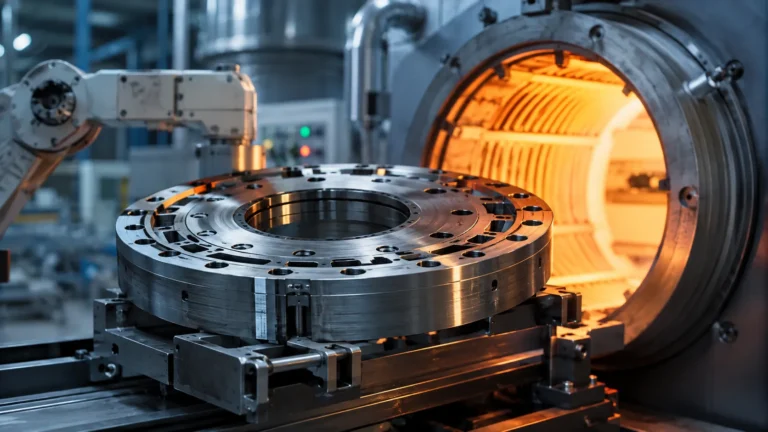
High-quality extrusion dies are engineered to withstand extreme temperatures, pressure, and friction during the extrusion process. Premium materials such as H13 tool steel provide superior hardness and wear resistance, allowing the die to maintain dimensional accuracy over extended production runs. Advanced heat treatment processes further enhance durability, ensuring the die can handle demanding workloads without premature wear.
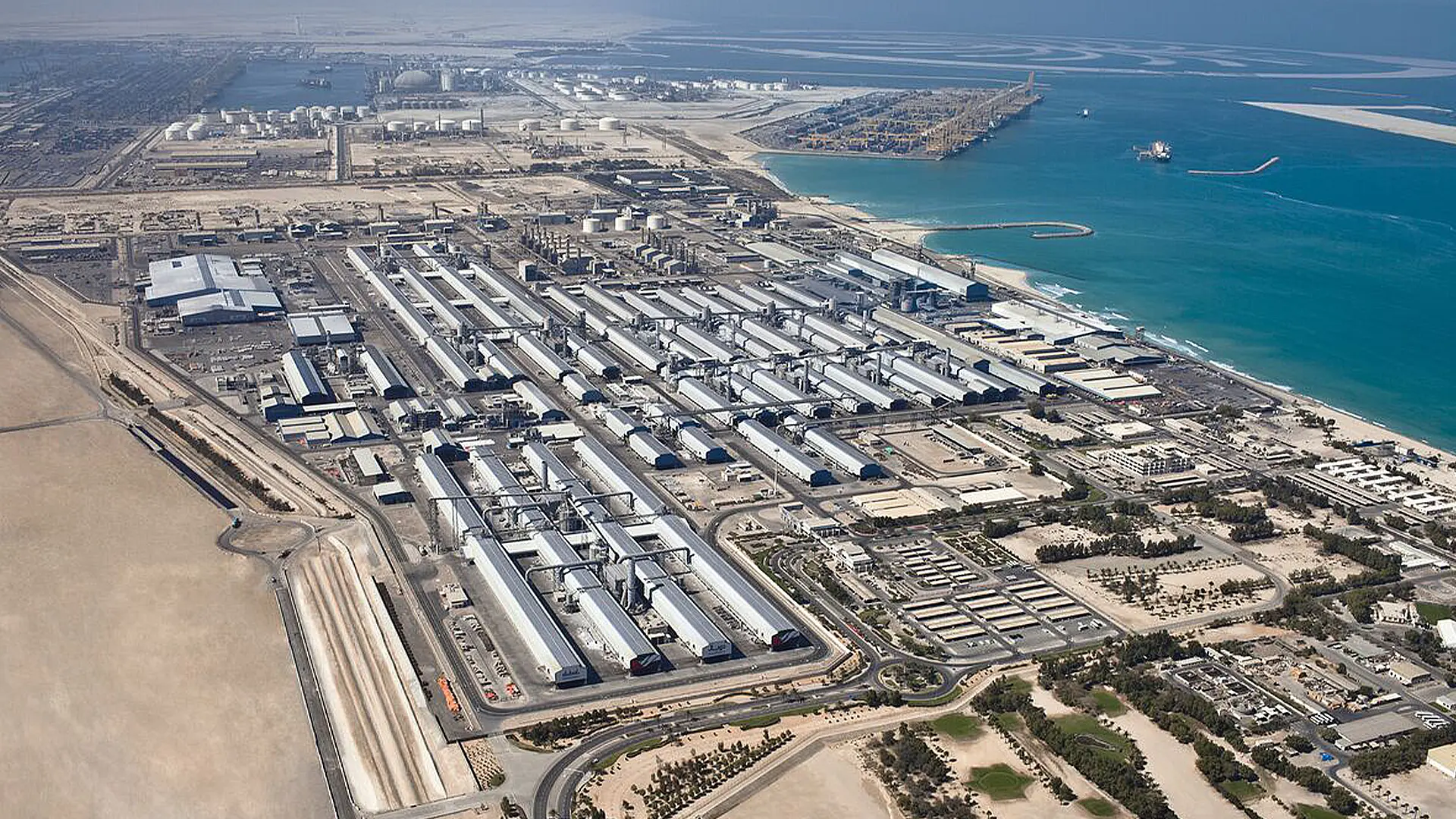
In Dubai and across the GCC, extrusion plants often operate under tight project deadlines, especially when supplying aluminum profiles for construction, infrastructure, and industrial applications. In these environments, consistent die performance is essential. A die that delivers longer life reduces production interruptions and enables presses to operate continuously for longer periods.
For example, extrusion companies supplying façade systems for large-scale projects in Dubai have reported that longer-lasting dies significantly reduced production stoppages and helped maintain strict delivery schedules.
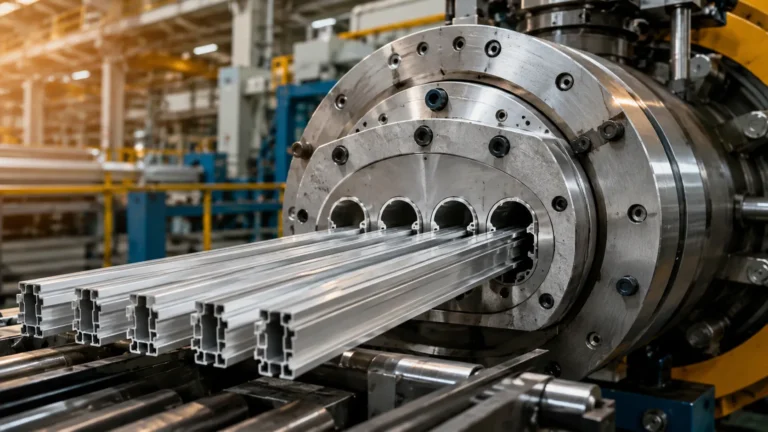
Die life is also closely linked to extrusion quality. As dies wear down, they can produce profiles with dimensional inconsistencies or surface defects. Maintaining a stable die condition ensures consistent profile geometry, better surface finishes, and reduced rejection rates.
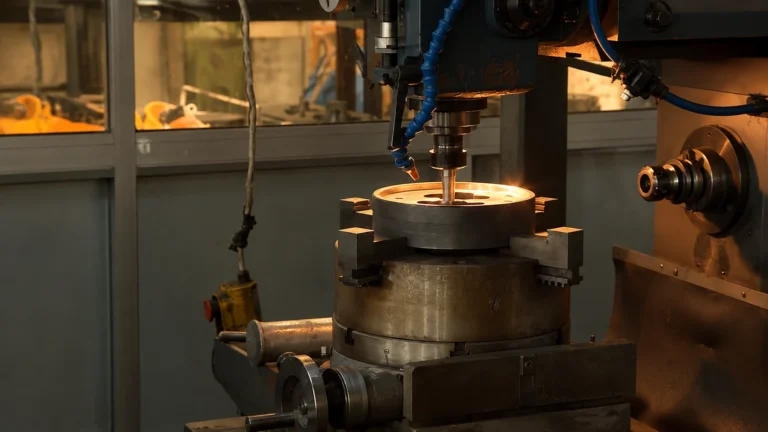
Precision die engineering plays a major role in extending die life. Balanced metal flow, optimized bearing lengths, and controlled exit velocities all contribute to reducing localized stress and uneven wear patterns within the die. Simulation technologies allow engineers to refine these elements before manufacturing begins, preventing design issues that could shorten die lifespan.
To understand more about how Phoenix designs high-performance dies, explore our capabilities in die manufacturing in the UAE
For aluminum extrusion companies in the UAE, improving die life is not only about reducing tooling costs. It is about improving operational efficiency, increasing press availability, and maintaining reliable product quality. When evaluated across the entire production cycle, longer die life significantly lowers the cost per kilogram of aluminum extruded.
Ultimately, die life should be viewed as a strategic performance metric rather than a technical detail. By investing in precision-engineered dies designed for durability and stability, extrusion plants in Dubai and across the UAE can improve productivity while maintaining consistent output.