Every aluminum profile begins with a concept, but transforming that concept into a high quality extruded product requires a carefully managed engineering and manufacturing process. The lifecycle of an extrusion die involves multiple stages, each contributing to the final performance of the tooling and the quality of the profiles produced.
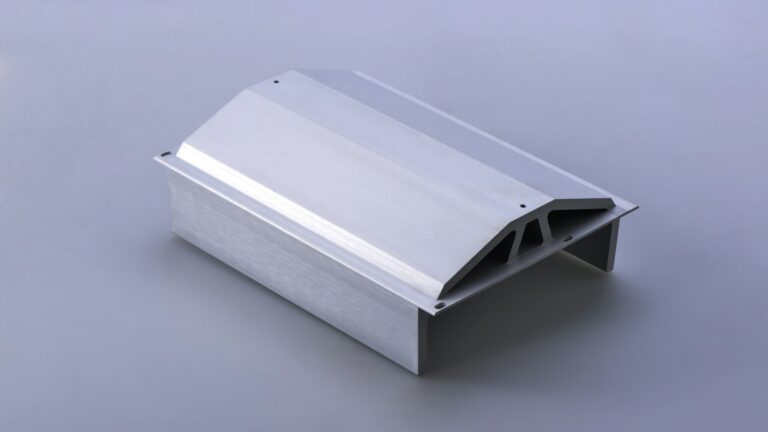
The process typically starts with profile design. Customers provide drawings, specifications, and performance requirements that define the geometry of the desired aluminum section. Engineers review these requirements to determine the most appropriate die design strategy.
Once the profile is evaluated, simulation and engineering analysis begin. Advanced software is used to study metal flow behavior, pressure distribution, and thermal conditions within the proposed die. These simulations help identify potential challenges before manufacturing starts, reducing risk and improving first pass success rates.
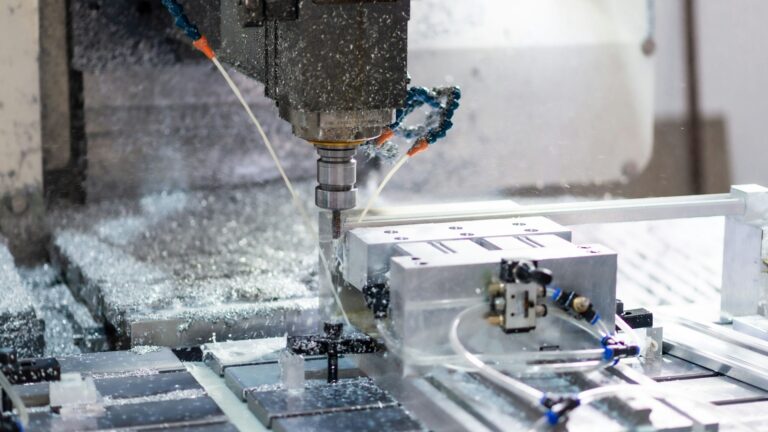
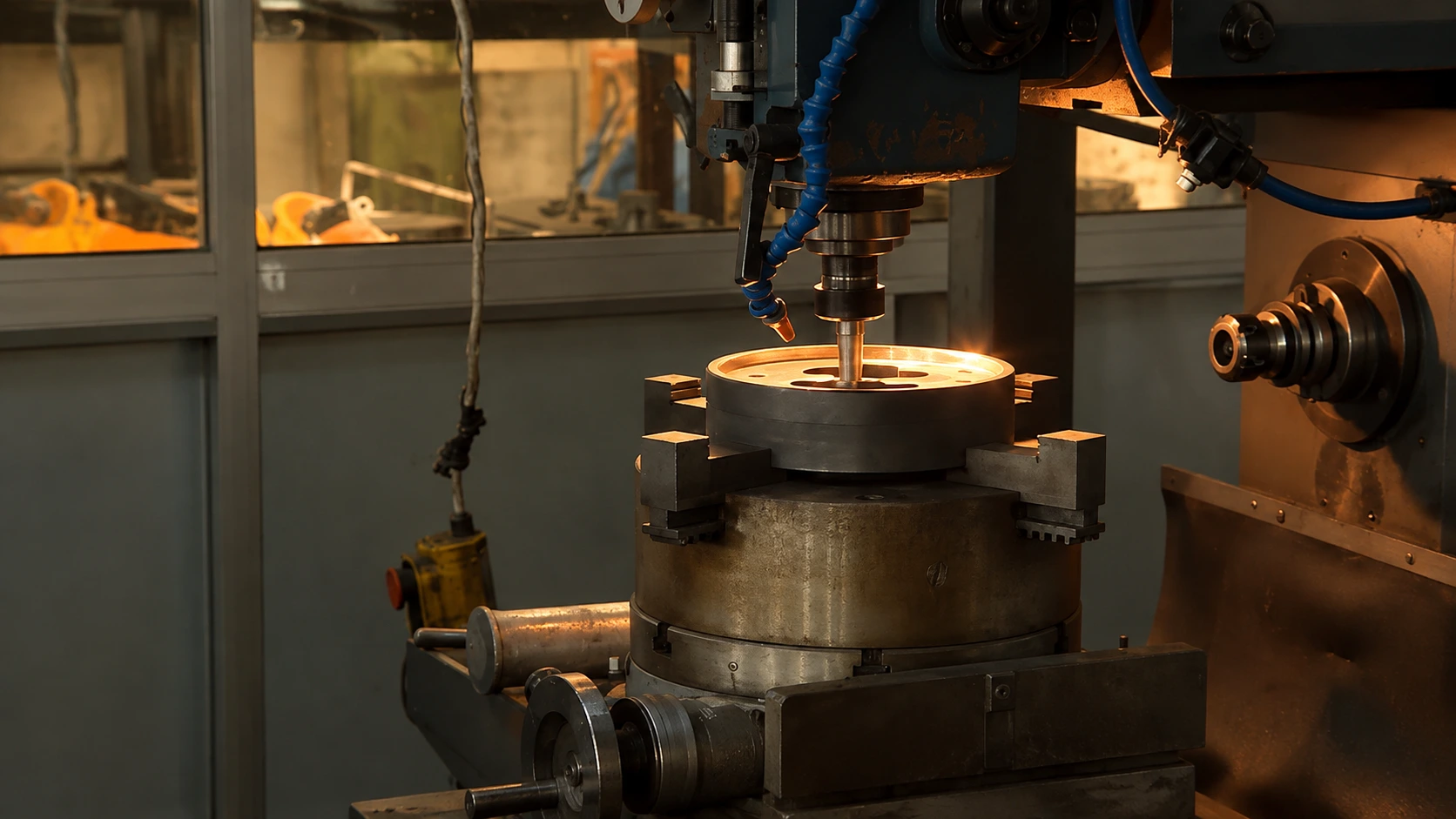
Following design validation, the manufacturing phase begins. Premium tool steels are selected and machined using precision CNC equipment. Tight tolerances are maintained throughout production to ensure the finished die accurately reflects the engineering design.
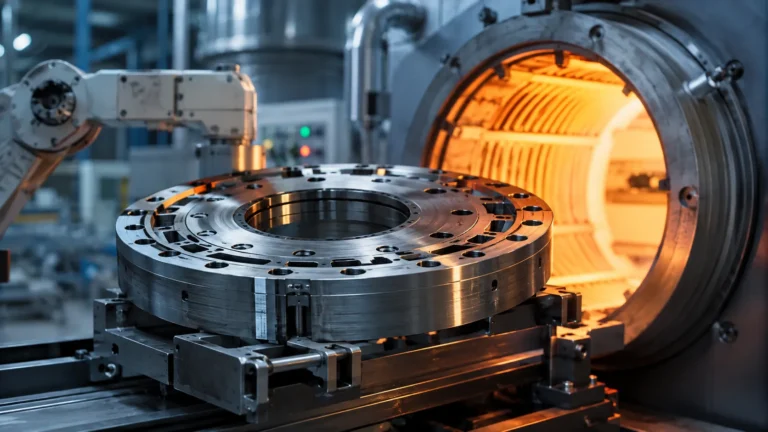
Heat treatment processes are then applied to improve durability and performance. Hardening and surface treatments help the die withstand the demanding conditions encountered during extrusion. These processes contribute to longer die life and improved wear resistance.
After manufacturing is completed, the die undergoes inspection and quality verification. Critical dimensions are measured and evaluated to confirm compliance with design specifications. This quality control stage helps ensure that the die is ready for production use.
The commissioning phase follows. The die is installed on the extrusion press and tested under operating conditions. Because modern engineering practices rely heavily on simulation and design validation, many dies achieve successful production results with minimal corrections.
Once in production, the die becomes a key component of the manufacturing process. Consistent maintenance and monitoring help preserve performance over time. Engineers and operators track quality, output, and wear patterns to ensure reliable operation.
Eventually, refurbishment may be required. Rather than replacing the die immediately, maintenance activities can restore critical surfaces and extend operational life. Effective lifecycle management helps maximize return on investment while maintaining production quality.
Understanding the complete lifecycle of an extrusion die highlights the importance of engineering expertise, simulation technology, quality manufacturing, and maintenance planning. Each stage contributes directly to productivity, product quality, and overall operational efficiency.
A carefully controlled approach to die manufacturing in the UAE supports profile accuracy, reliable extrusion flow, and longer tooling life.
For manufacturers throughout the UAE, investing in a well managed die lifecycle is not simply a technical consideration. It is a strategic approach that supports reliable production, reduces costs, and helps meet the growing demands of modern aluminum extrusion markets.