Introduction
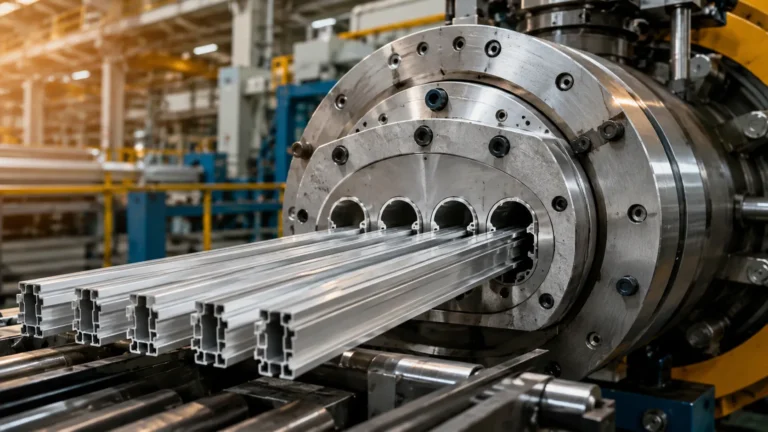
In aluminum extrusion, the quality of the final profile is determined long before production begins. The extrusion die design process plays a decisive role in controlling metal flow, dimensional accuracy, surface finish, and overall production efficiency. A well engineered die ensures stable extrusion, while poor design leads to defects, downtime, and increased costs.
What an Extrusion Die Controls
An extrusion die is not simply a shaping tool. It governs how aluminum behaves under extreme pressure and temperature. Proper die design controls:
- material flow balance
- wall thickness consistency
- dimensional tolerances
- surface quality
- extrusion speed stability
Each of these factors directly affects output quality and production efficiency.
Key Stages of the Extrusion Die Design Process
Profile Analysis
The process begins with a detailed study of the aluminum profile. Engineers evaluate geometry, wall thickness variations, and structural requirements to understand how metal will flow through the die.
Die Layout and Flow Engineering
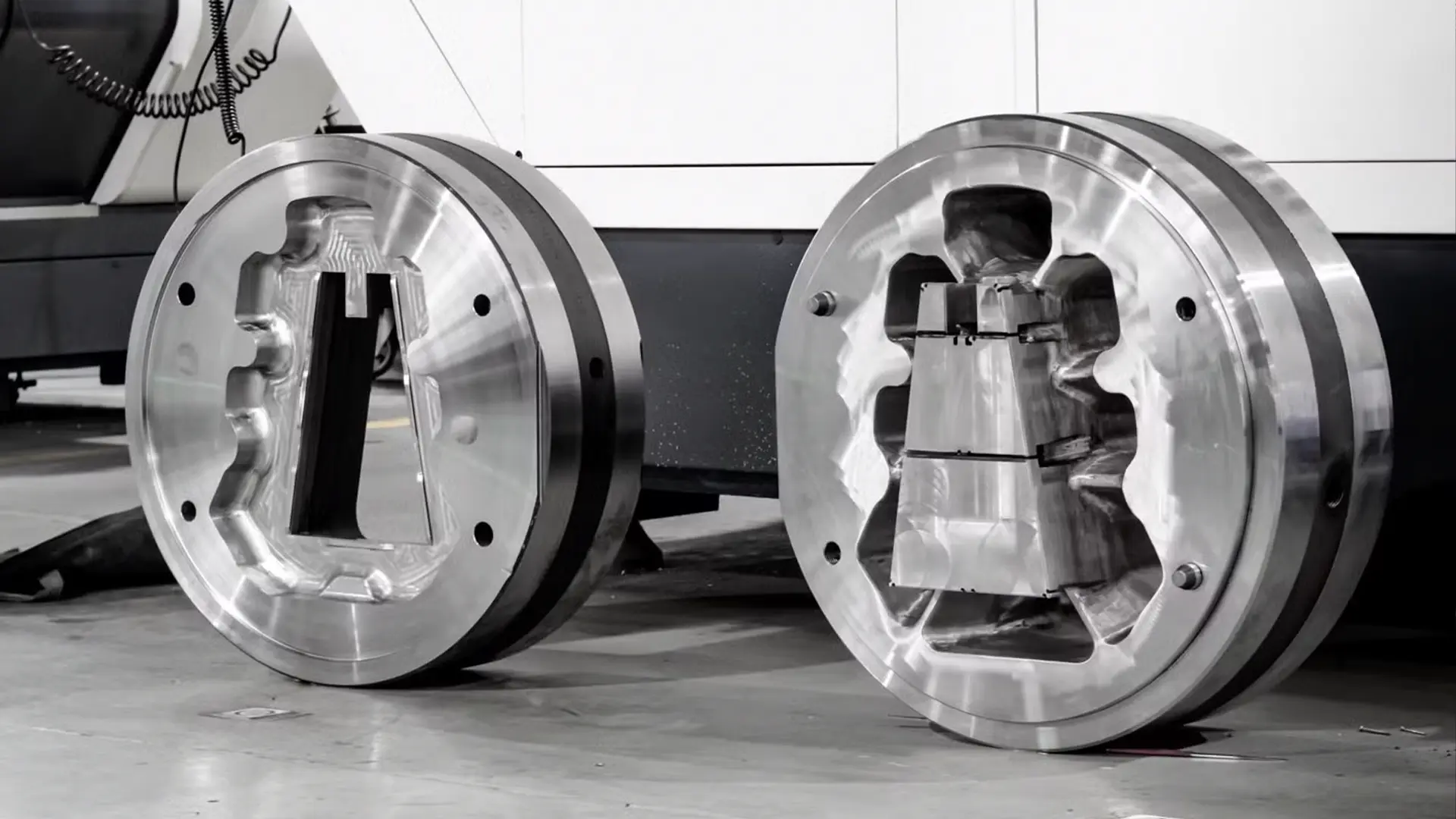
Based on the profile, engineers design bearing lengths and flow paths that balance aluminum distribution across the die. This prevents over feeding or under feeding in critical sections.
Simulation and Validation
Advanced CAD and simulation tools are used to predict extrusion behavior. This allows engineers to identify potential issues before manufacturing begins, reducing trial runs and corrections.
Precision Machining
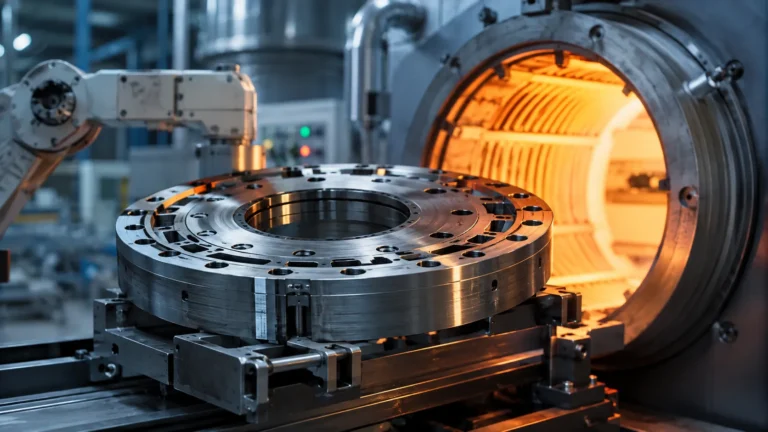
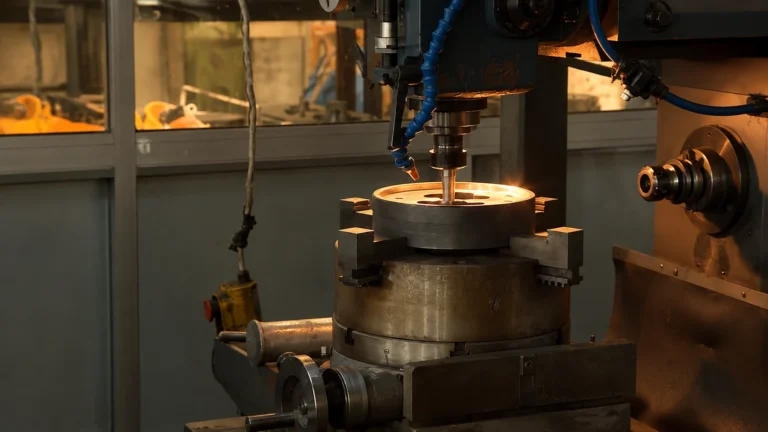
Once validated, the die is manufactured using high accuracy CNC machining and EDM processes to ensure exact tolerances and smooth internal surfaces.
Why Flow Balancing Is Critical
Uneven flow leads to profile distortion, surface defects, and dimensional inconsistencies. Proper flow balancing ensures that aluminum exits the die uniformly, maintaining profile integrity even at higher extrusion speeds.
Design and simulation strategies are outlined in the aluminum extrusion design guide from the Aluminum Extruders Council, which helps engineers understand best practices in flow control and profile design.
Common Die Design Mistakes
Poor extrusion results often trace back to design issues such as:
- incorrect bearing lengths
- uneven metal distribution
- insufficient allowance for thermal expansion
- low quality surface finish inside the die
Avoiding these mistakes requires experience, simulation, and precision manufacturing.
The Role of Precision Engineering
Precision engineering ensures that dies perform reliably under real production conditions. High accuracy machining, proper steel selection, and validated design processes result in:
- smoother extrusion flow
- reduced scrap
- higher productivity
- longer die life
Supporting UAE Manufacturing
For companies seeking reliable extrusion tooling, a strong design process is essential. Local expertise and advanced engineering allow manufacturers to achieve consistent results and reduce operational risks.
Learn more about our full capabilities on our Die Manufacturing UAE page.
Conclusion
The extrusion die design process is the foundation of aluminum profile quality. By investing in precision engineering and validated design methods, manufacturers can improve output, reduce downtime, and achieve long term production stability.
This article explains the extrusion die design process, its stages, and its impact on aluminum extrusion quality. It discusses flow balancing, precision engineering, CNC machining, and die performance to help manufacturers understand how die design affects production efficiency and profile accuracy.